Fitness Machine Buying Guide: Choose the Right Equipment | Checkout NOW
Buying fitness machines for home use is a big decision that can either transform your health or leave you with expensive dust collectors. The key isn’t chasing the shiniest new model or copying someone else’s setup. It’s finding equipment that matches your goals, available space, and how you actually like to move. After years of building and refining my own home gym (and watching friends make both great and regrettable purchases), I’ve learned what really matters when choosing fitness machines.
This guide will help you make smarter decisions so your equipment supports consistent training instead of gathering cobwebs.
Start With Your Goals and Lifestyle
Before looking at any machine, be honest about what you want to achieve. Are you focused on fat loss and cardio? Building strength and muscle? Improving endurance? Recovering from an injury? Or just staying generally active and healthy?
Your answers should drive every choice. Someone training for a marathon might prioritize a reliable treadmill or rower, while someone wanting to build muscle will benefit more from strength-focused machines. Also consider your schedule. If you can only train early mornings or late evenings, quiet operation becomes essential. If you travel often, compact and foldable options make more sense.
Assess Your Available Space Realistically
Measure your space carefully — not just the floor area but also ceiling height and clearance around the machine during use. A machine that looks small online can feel enormous once assembled. Consider traffic flow too. You don’t want to block doorways or create obstacles in high-traffic areas.
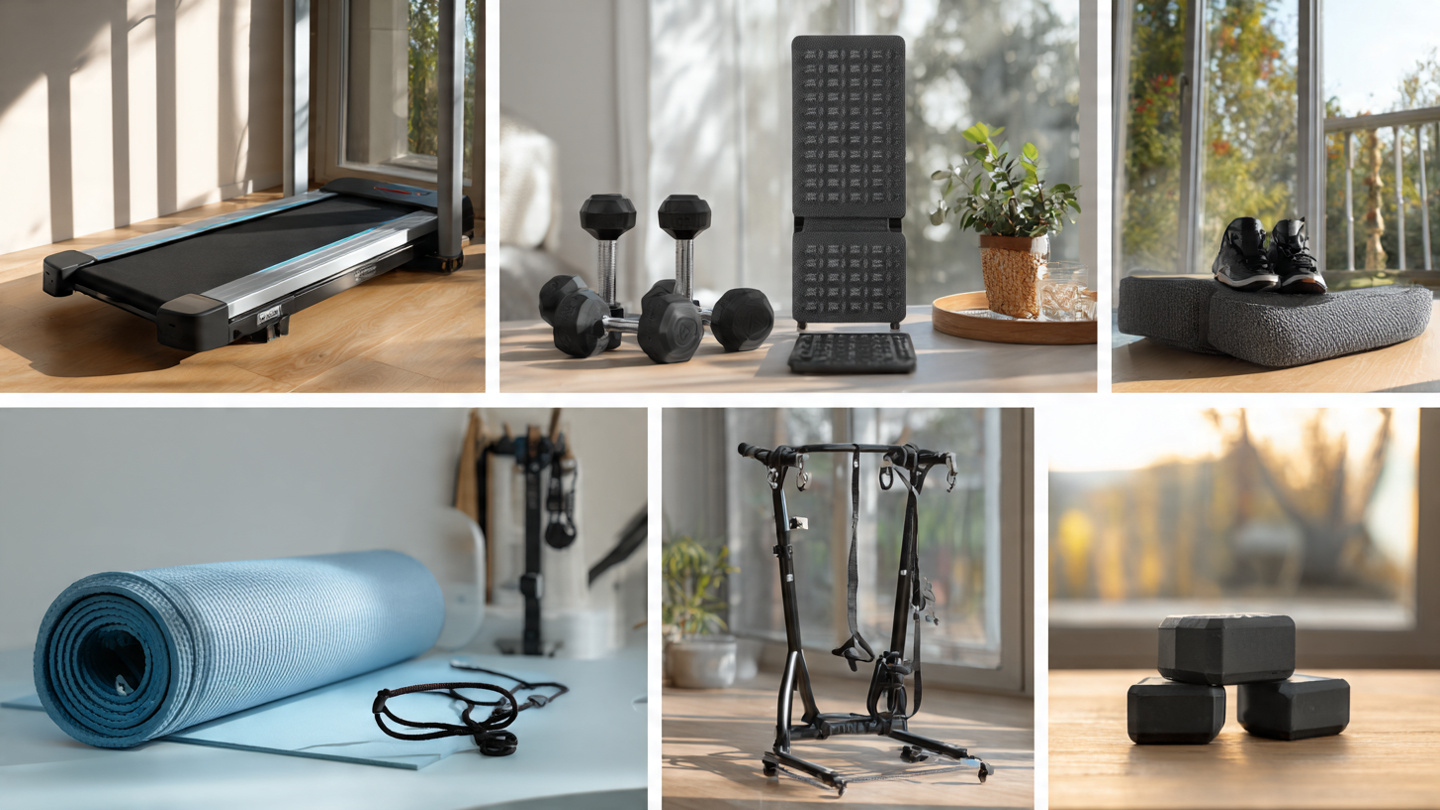
For apartments and small homes, prioritize machines that fold, stand vertically, or mount on walls. Many people successfully train in just a 5x6 foot corner with clever choices. Larger spaces give more flexibility for multi-station setups or multiple machines.
Cardio Machines: Which Ones Deserve Your Attention
Rowing Machines Rowers top many lists for good reason. They deliver full-body cardio and strength in one low-impact movement. Look for smooth resistance (magnetic or water) and a comfortable seat. Compact models that store upright work beautifully in tight spaces. They’re excellent for beginners and advanced users alike because you control the intensity easily.
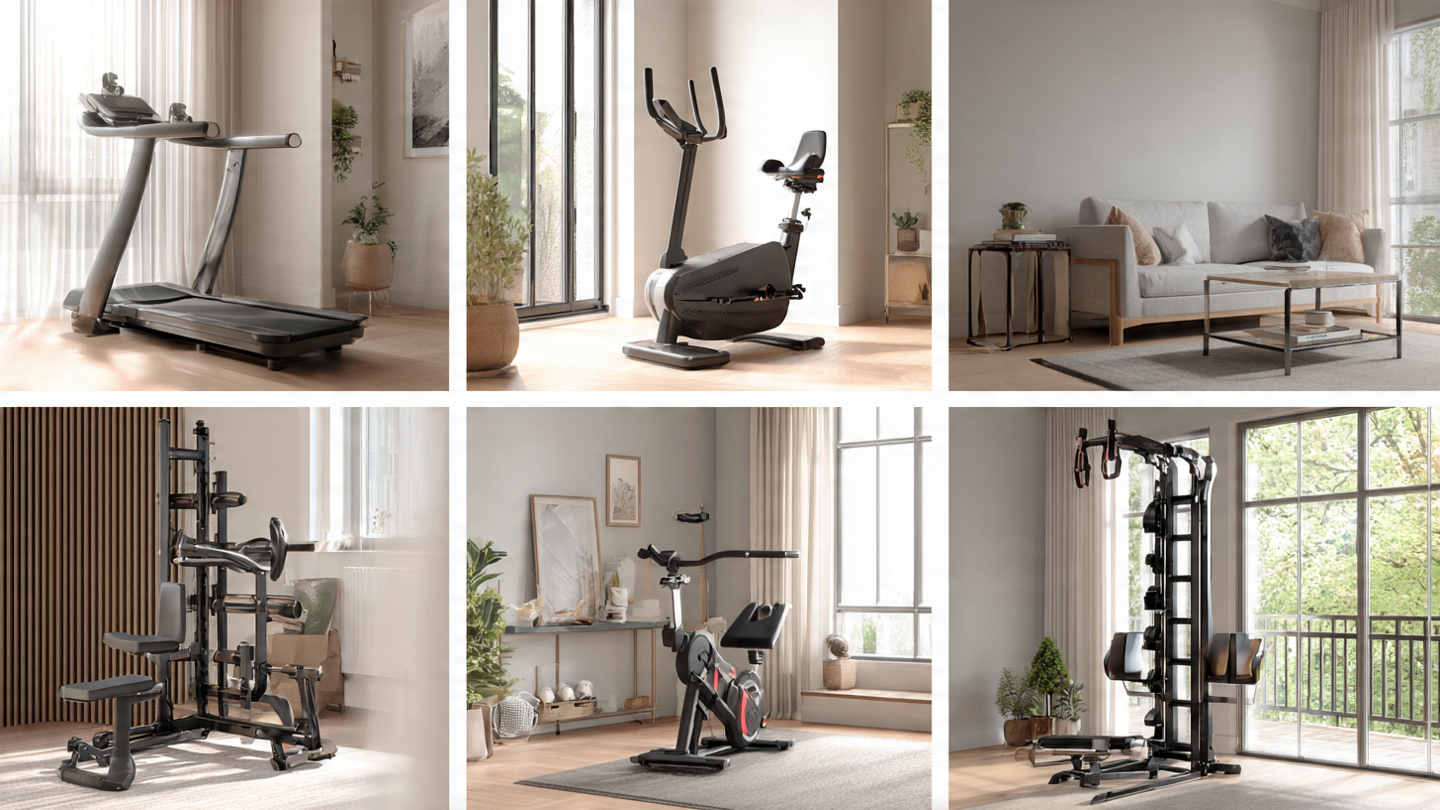
Exercise Bikes Bikes are approachable and sustainable for longer sessions. Upright bikes suit most people, while recumbent options feel more supportive for those with back issues. Air bikes with fan resistance automatically match your effort and work well for high-intensity training. Choose one with an adjustable seat and quiet operation.
Treadmills Treadmills remain popular for walking and running. Cushioned decks protect joints, and incline features add intensity without extra speed. Foldable or compact models are worth seeking if space is limited. They work especially well if you enjoy outdoor-style running but need weather-proof consistency.
Ellipticals Ellipticals provide low-impact, full-body movement that’s gentle on knees and hips. Models with moving handlebars engage the upper body effectively. They’re great during recovery periods or when you want variety from running or rowing.
Strength and Resistance Machines
Cable Machines / Functional Trainers These are incredibly versatile for full-body strength. Adjustable pulleys let you train pushing, pulling, and rotational movements from every angle. Wall-mounted versions save massive floor space while offering serious resistance. They’re suitable for beginners learning form and advanced users doing drop sets or functional training.
Multi-Station Home Gyms All-in-one machines combine multiple exercises in one footprint. Look for smooth pulleys, adjustable seats, and enough stations to cover major movements (chest press, rows, lat pulldowns, leg press). They’re excellent for efficient workouts when time is limited.
Adjustable Benches and Power Racks A sturdy adjustable bench multiplies your options when paired with dumbbells or cables. If space allows, a compact power rack with safety bars opens up barbell training safely.
Key Factors to Consider When Buying
Build Quality and Stability A machine should feel solid, not wobbly. Test resistance smoothness and check weight capacity if you’re heavier or plan to progress significantly. Stable equipment encourages confident training and reduces injury risk.
Noise Level Especially important for apartments or shared homes. Magnetic resistance tends to be quieter than air or friction systems. Think about when and where you’ll train.
Adjustability and Comfort Look for easy seat adjustments, handlebar height options, and padding that feels supportive. Good ergonomics prevent discomfort during longer sessions and help maintain proper form.
Ease of Use and Maintenance Clear displays, simple assembly, and accessible parts for occasional cleaning matter for long-term satisfaction. Machines that feel intuitive get used more often.
Versatility and Progression Choose equipment that grows with you. Adjustable resistance, multiple exercise options, and tracking features help you continue progressing instead of plateauing.
Storage and Footprint Prioritize foldable, vertical storage, or wall-mounted designs if space is limited. Some machines convert between uses or have modular attachments for future expansion.
Building a Balanced Setup
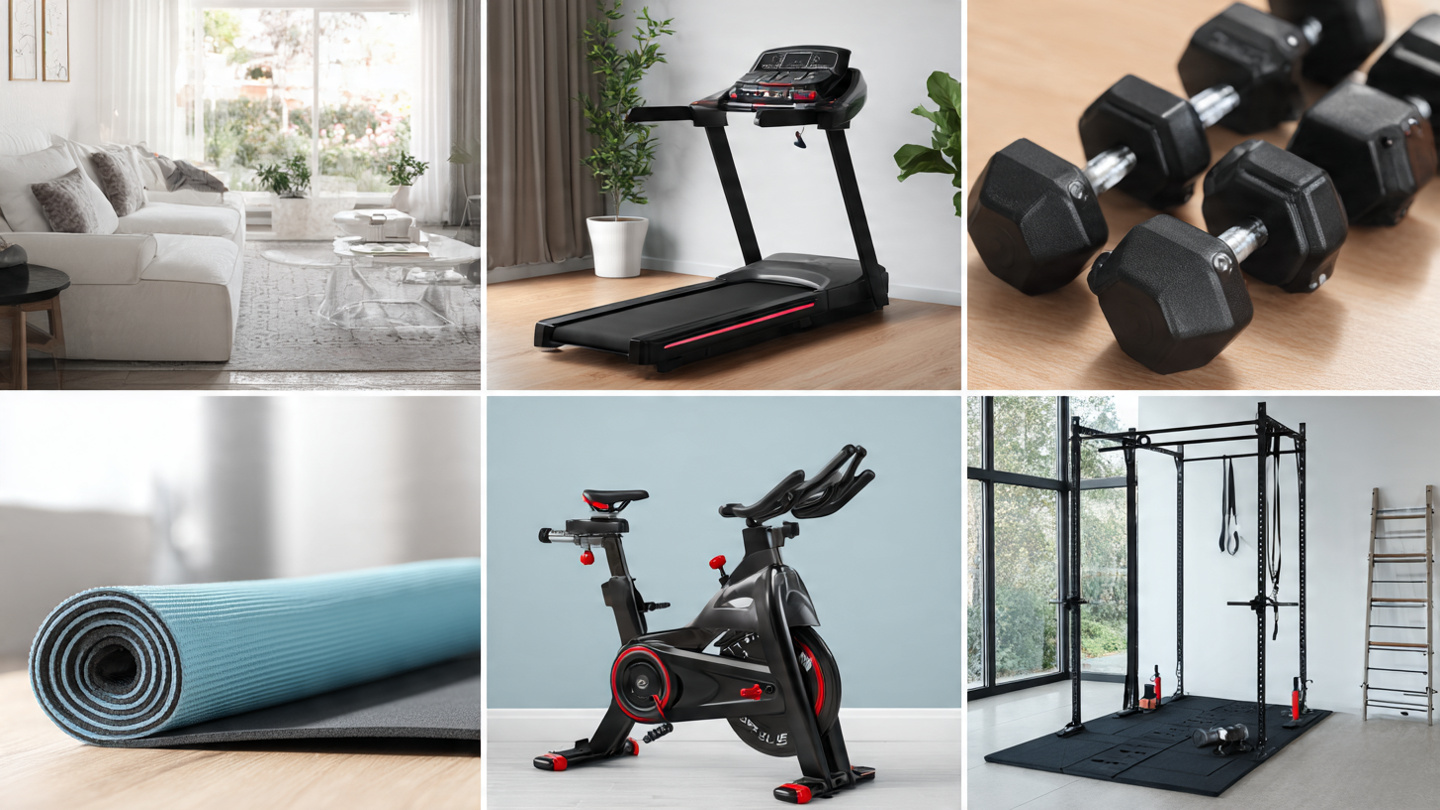
You don’t need every machine at once. A strong starting combination might be:
- One solid cardio machine (rower or bike)
- A versatile strength option (cable system or multi-station)
- Basic free weights or bands for variety
This covers cardio, pushing, pulling, and lower body work effectively. Add pieces gradually as your training evolves and budget allows. Many people thrive with just two or three well-chosen machines.
Common Buying Mistakes to Avoid
Buying based on trends instead of personal needs is the biggest pitfall. Another frequent error is choosing the cheapest option — it often ends up feeling unstable or breaking down quickly. Overbuying too many machines at the beginning creates clutter and decision fatigue. Ignoring noise, size, or comfort almost always leads to regret.
Also watch out for overly complicated machines with too many features. Simple, reliable equipment usually gets used more consistently than feature-heavy models that feel intimidating.
Making Smart Long-Term Decisions
Think beyond the initial purchase. Consider how the machine will fit into your life six months or two years from now. Will you still enjoy using it? Does it support your evolving goals? Quality construction and good adjustability usually provide better value over time.
Create a dedicated workout area that feels inviting. Good lighting, ventilation, and a motivating setup increase the chances you’ll train regularly. Many people find that once the right machines are in place and the space feels good, consistency becomes much easier.
Testing and Research Tips
Whenever possible, try machines in person at showrooms or friends’ homes. Read real user experiences focusing on people with similar spaces and goals. Pay attention to assembly difficulty, customer support quality, and long-term durability comments.
Trust your body’s feedback. Sit on bikes, row a few strokes, or test cable movements if you can. Comfort and natural feel matter more than impressive specs.
Creating a Home Gym That Lasts
The best fitness machine setups evolve with you. Start simple, stay consistent, and expand thoughtfully. Focus on enjoyment and sustainability rather than perfection. When your equipment matches your lifestyle and goals, training stops feeling like a chore and becomes something you look forward to.
A well-chosen home gym gives you freedom, privacy, and control over your fitness journey. No waiting for equipment, no crowds, and workouts that fit exactly when you need them. That convenience often leads to better results and a stronger, healthier version of yourself over time.
Ready to Choose Your Equipment?
Take time to assess your space, goals, and preferences before making any purchases. The right fitness machines can completely change how you feel and move, but only if they fit your real life.
What’s your main fitness goal right now and what kind of space are you working with? Share in the comments — I’d be happy to offer more targeted suggestions based on different budgets, home layouts, and training experience levels.