Top Fitness Equipment to Stay Fit Without Going to Gym | Checkout NOW
Staying fit without a gym membership has become one of the smartest lifestyle choices many of us have made. No more fighting traffic, waiting for machines, or feeling self-conscious in crowded spaces. Instead, you train on your own schedule in the comfort of your home. The key is having the right fitness equipment that supports consistency, variety, and real progress without taking over your living space.
After years of training exclusively at home and helping friends set up their own simple setups, I’ve narrowed down the equipment that truly delivers results. These pieces work for beginners building habits and for experienced people pushing their limits. They focus on practicality, durability, and enjoyment so you actually look forward to workouts instead of dreading them.
Free Weights: The Foundation of Real Strength
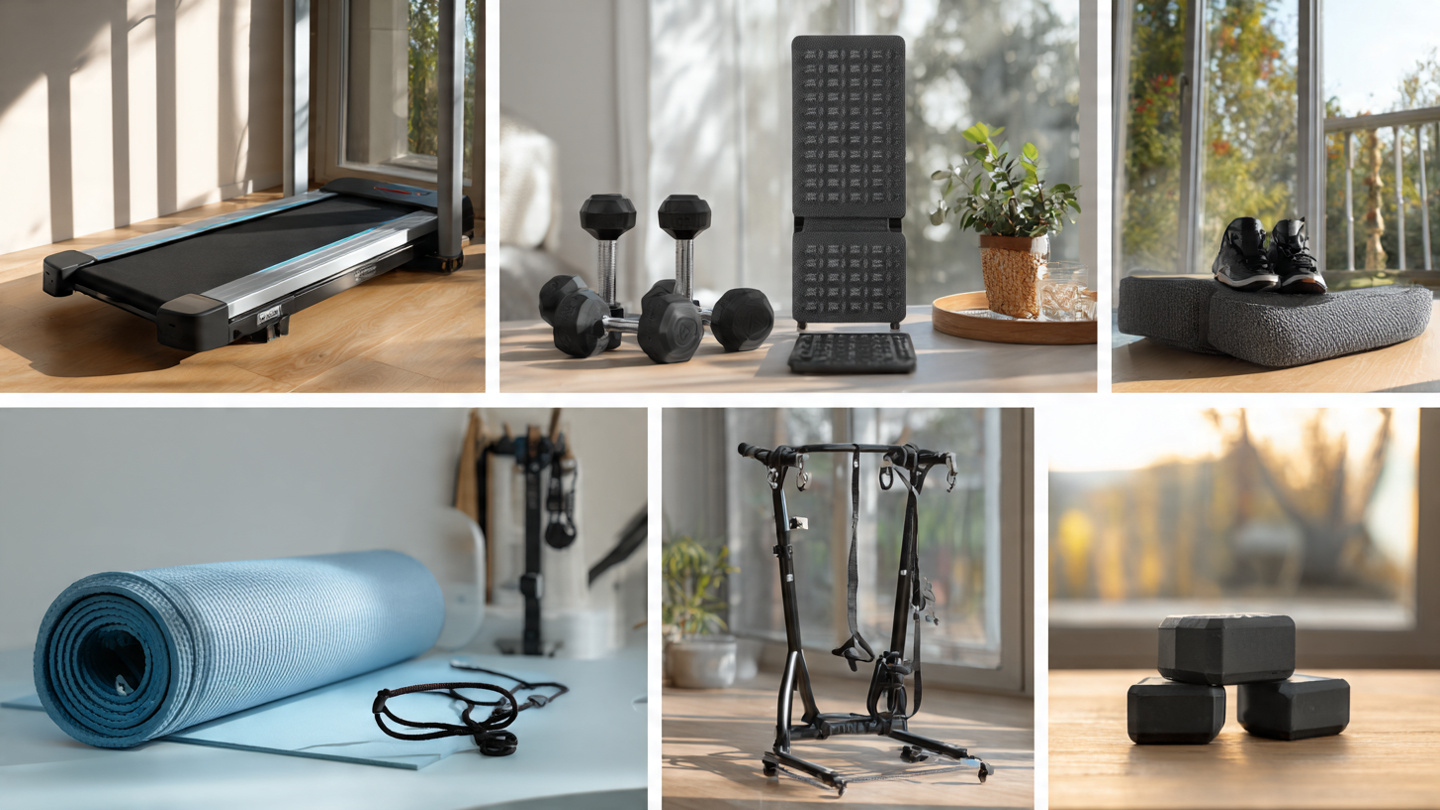
Dumbbells top the list for good reason. A solid set of adjustable dumbbells gives you almost unlimited exercise options while taking up very little space. You can progress naturally as you get stronger without buying new weights every few months. They’re perfect for squats, lunges, shoulder presses, rows, and full-body movements that build functional strength.
Kettlebells complement dumbbells beautifully. Their unique shape challenges your grip and core stability during swings, goblet squats, Turkish get-ups, and overhead presses. Even just one or two different weights open up dynamic, athletic training that improves power and conditioning.
A basic barbell with plates becomes valuable if you have room for deadlifts, bench presses, and squats. These compound movements deliver the biggest strength and muscle-building returns for the time invested. Together, free weights form the backbone of any effective home fitness setup because they never run out of battery and allow natural movement patterns.
Resistance Bands and Bodyweight Tools
Resistance bands might be the most underrated piece of fitness equipment. They’re inexpensive, portable, and incredibly versatile for warm-ups, strength work, mobility, and even cardio circuits. Loop bands, tube bands with handles, and long power bands each serve different purposes and store in a drawer when not in use.
Pair them with simple bodyweight tools like a pull-up bar (doorway or wall-mounted), parallettes for dips and push-ups, or gymnastic rings. These additions turn basic push-ups, squats, and planks into more challenging and effective movements. An ab roller, slam ball, or medicine ball adds explosive power training without needing much room.
Cardio Equipment for Heart Health and Fat Loss
For cardiovascular fitness, a compact rowing machine stands out as one of the best investments. It works nearly every muscle group while providing excellent low-impact cardio. The rhythmic motion feels meditative, and modern compact models fold or stand vertically for easy storage.
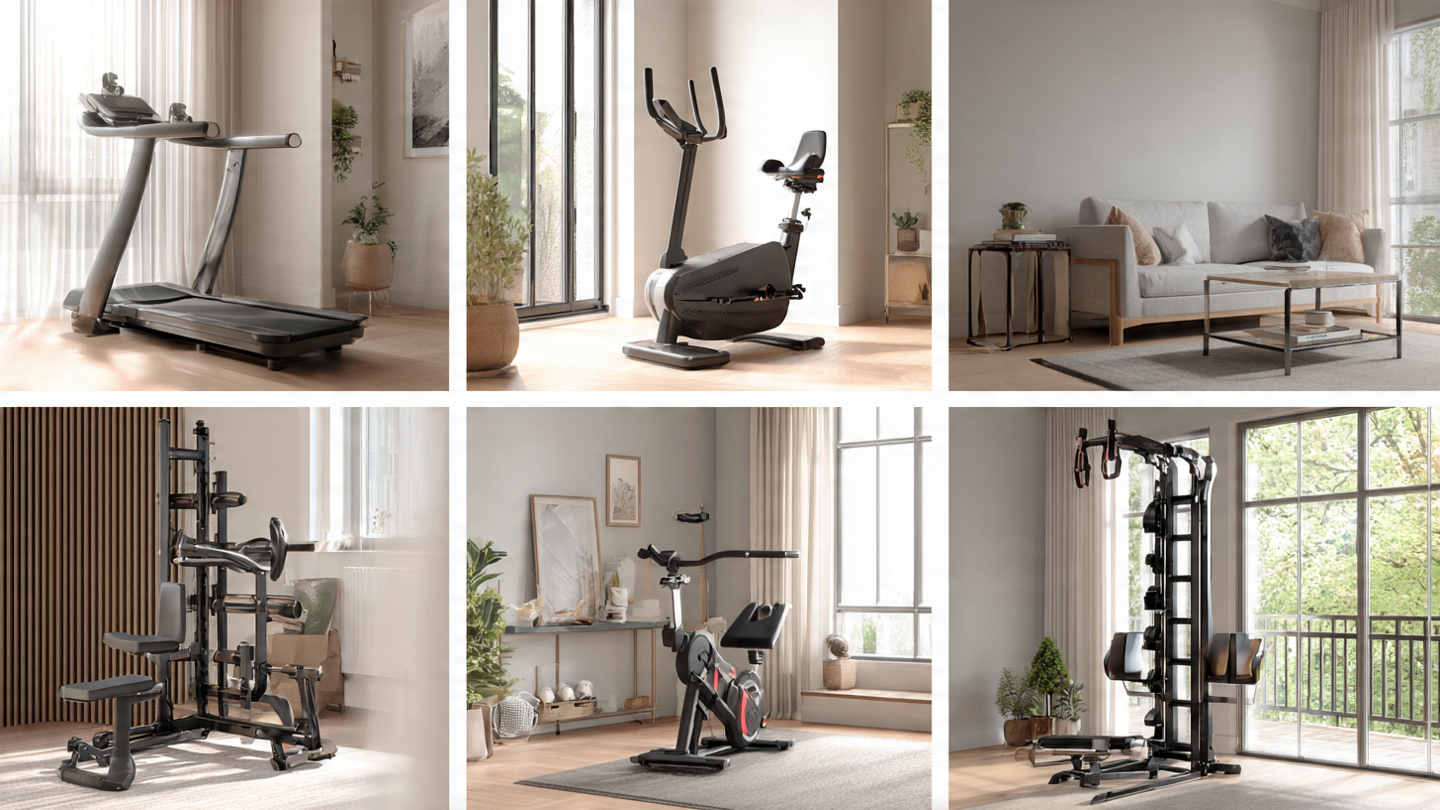
Exercise bikes offer another sustainable option. They’re quiet, joint-friendly, and let you maintain steady effort for longer sessions. Many people enjoy reading or listening to podcasts while cycling, which makes consistency much easier. If space allows, a foldable treadmill or under-desk walking pad lets you accumulate steps throughout the day without disrupting your routine.
Ellipticals provide a smooth, full-body alternative that’s especially valuable if you need to protect your joints. The low-impact gliding motion combined with moving arms delivers efficient calorie burn and endurance building.
Multi-Purpose and Space-Saving Solutions
For people with very limited space, all-in-one or hybrid machines that combine strength and cardio elements prove incredibly practical. Compact cable systems or functional trainers mounted on walls deliver hundreds of exercises through adjustable resistance. Foldable adjustable benches multiply your options dramatically when paired with free weights or bands.
Don’t overlook simpler tools like a jump rope, battle ropes, or agility ladder. These deliver high-intensity cardio and coordination training in minimal space and add fun variety to your routine.
Recovery and Mobility Essentials
Staying fit long-term requires smart recovery. A foam roller, massage balls, and stretching strap help release tight muscles and prevent injuries. Many people notice better posture, fewer aches, and improved performance just from adding consistent mobility work a few times per week.
A good yoga mat or thicker exercise mat protects your floors and provides cushioning for floor-based movements, core work, and stretching. These basics support the harder training sessions and help your body adapt and recover.
Building an Effective Home Workout Routine
The best fitness equipment setups support variety and progression. A balanced weekly schedule might include:
- Strength days using dumbbells, kettlebells, or bands
- Cardio sessions on the rower, bike, or through jump rope circuits
- Mobility and recovery focused days with foam rolling and stretching
Focus on compound movements that work multiple muscle groups — squats, deadlifts, presses, rows, and pulls — because they deliver the most results in the least time. Track your workouts in a simple notebook or app so you can see clear progress and stay motivated.
Start with three to four sessions per week if you’re building the habit. Even 30-45 minutes of focused training produces excellent results when done consistently. As you get stronger, add intensity through more reps, heavier resistance, or shorter rest periods rather than just longer workouts.
Creating a Motivating Home Training Space
Your environment matters more than most people realize. Position your equipment where natural light reaches if possible, and keep the area clean and organized. A small fan, motivational music setup, and a mirror for form checks make sessions more enjoyable. Many people find that a tidy, intentional corner feels more inviting than a cluttered larger space.
Good ventilation and proper flooring (rubber mats work wonders) protect both your equipment and your joints. Keep water, a towel, and basic cleaning supplies nearby so nothing interrupts your flow once you start training.
Common Mistakes to Avoid
Many people buy too much equipment too soon and end up with unused items taking up space. Start with the basics — adjustable dumbbells, resistance bands, and one cardio machine that matches your preferences. Master those before expanding.
Another frequent mistake is ignoring recovery and nutrition. The equipment works best when supported by good sleep, adequate protein, and proper rest days. Listen to your body and progress gradually to avoid burnout or injury.
Consistency beats perfection. Three solid sessions per week will transform your fitness level far more than sporadic intense workouts followed by long breaks.
Why Home Fitness Equipment Wins Long-Term
Training at home removes every common barrier. No travel time, no schedule conflicts, complete privacy, and the freedom to train exactly when you feel like it. This convenience often leads to more frequent movement and better long-term adherence than gym memberships ever did for most people.
The money saved on memberships, gas, and parking adds up quickly. More importantly, you build a personal relationship with your training. You learn what works for your body, develop confidence in your abilities, and create a sustainable habit that fits your real life.
Many people discover they actually enjoy fitness more at home once the right equipment is in place. There’s no intimidation factor, no waiting, and you can experiment freely with different styles and routines.
Making Progress That Lasts
The top fitness equipment supports measurable improvement over time. You can track strength gains with heavier dumbbells, better endurance on the rower, or more push-ups with perfect form. These visible results keep motivation high even when initial excitement fades.
Combine your equipment with smart programming. Mix strength and cardio, include mobility work, and occasionally try new movement patterns to keep things interesting. The goal isn’t to become a professional athlete but to feel strong, energetic, and capable in daily life.
Getting Started the Right Way
Assess your available space and current fitness level honestly. Even a small corner can support an excellent workout with clever choices. Begin with equipment that matches your main goals — fat loss, muscle building, better energy, or overall health.
Test basic movements with minimal gear first. Many effective exercises need nothing more than your bodyweight and a bit of creativity. Once you’re consistent, the right fitness equipment accelerates your progress dramatically.
Staying fit without a gym is completely achievable and often more sustainable. The equipment listed here has helped countless people build strength, improve health, and maintain consistency for years. The real secret isn’t fancy machines — it’s choosing versatile tools you’ll actually use and showing up regularly.
Your home can become the best gym you’ve ever had when equipped thoughtfully. The freedom, convenience, and results speak for themselves once you experience them.
What’s your biggest reason for wanting to train at home right now — avoiding gym crowds, saving time, or building a personal setup? Or which piece of fitness equipment are you considering adding first? Share in the comments and I’ll offer more specific recommendations based on your space, goals, and experience level.