Affordable Fitness Equipment for Home Gym Setup | Checkout NOW
Creating a home gym doesn’t have to drain your savings or require an entire room. With smart, budget-friendly choices, you can build a functional space that supports real progress whether you’re just getting started or looking to train consistently without fancy machines. I’ve done exactly this over the years — starting with almost nothing and gradually adding pieces that actually get used. The result is a simple setup that fits in a corner yet delivers solid workouts week after week.
The secret lies in focusing on versatile, durable equipment that offers plenty of progression without taking up much space or money. Here are the affordable fitness equipment essentials that help you set up an effective home gym.
Free Weights: Build Strength Without Breaking the Bank
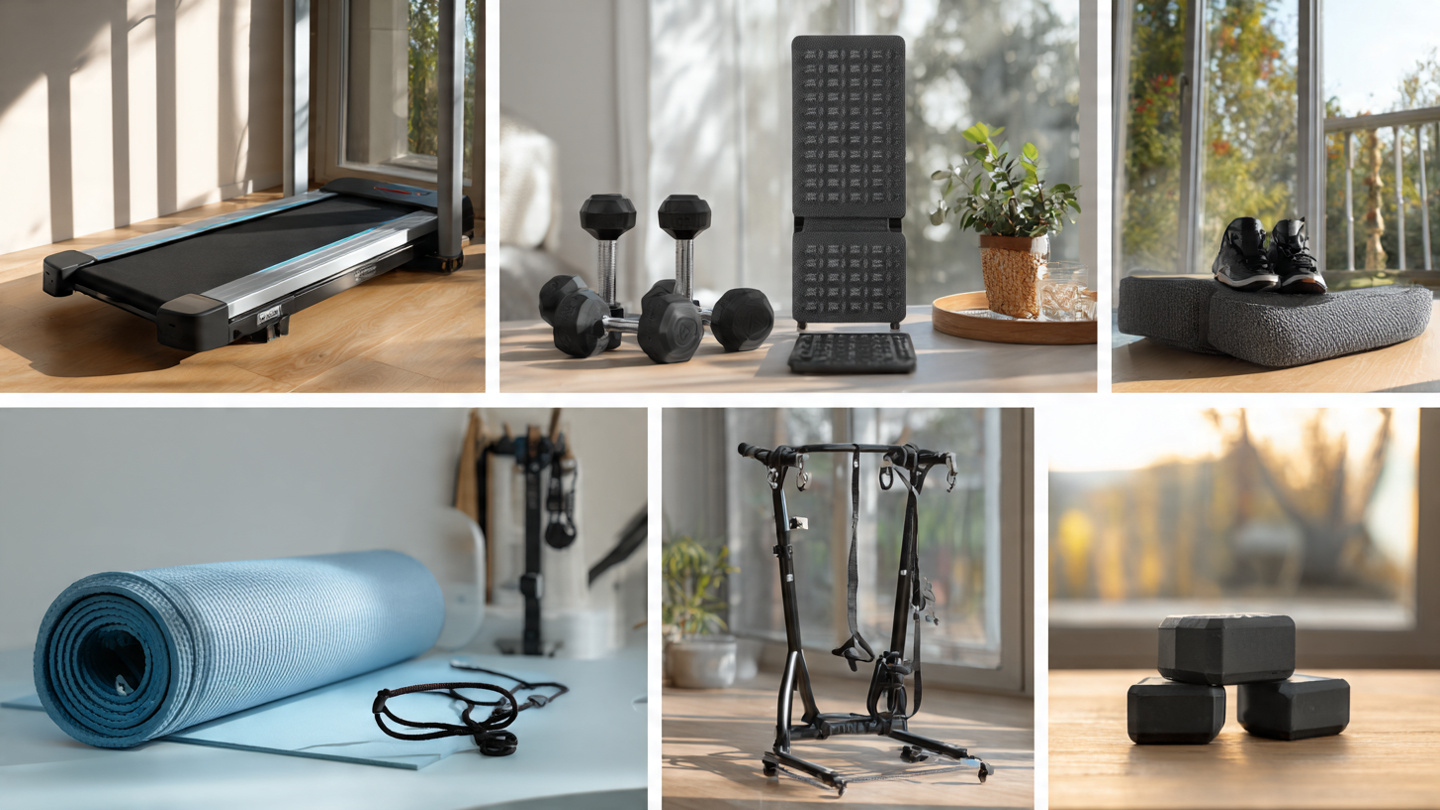
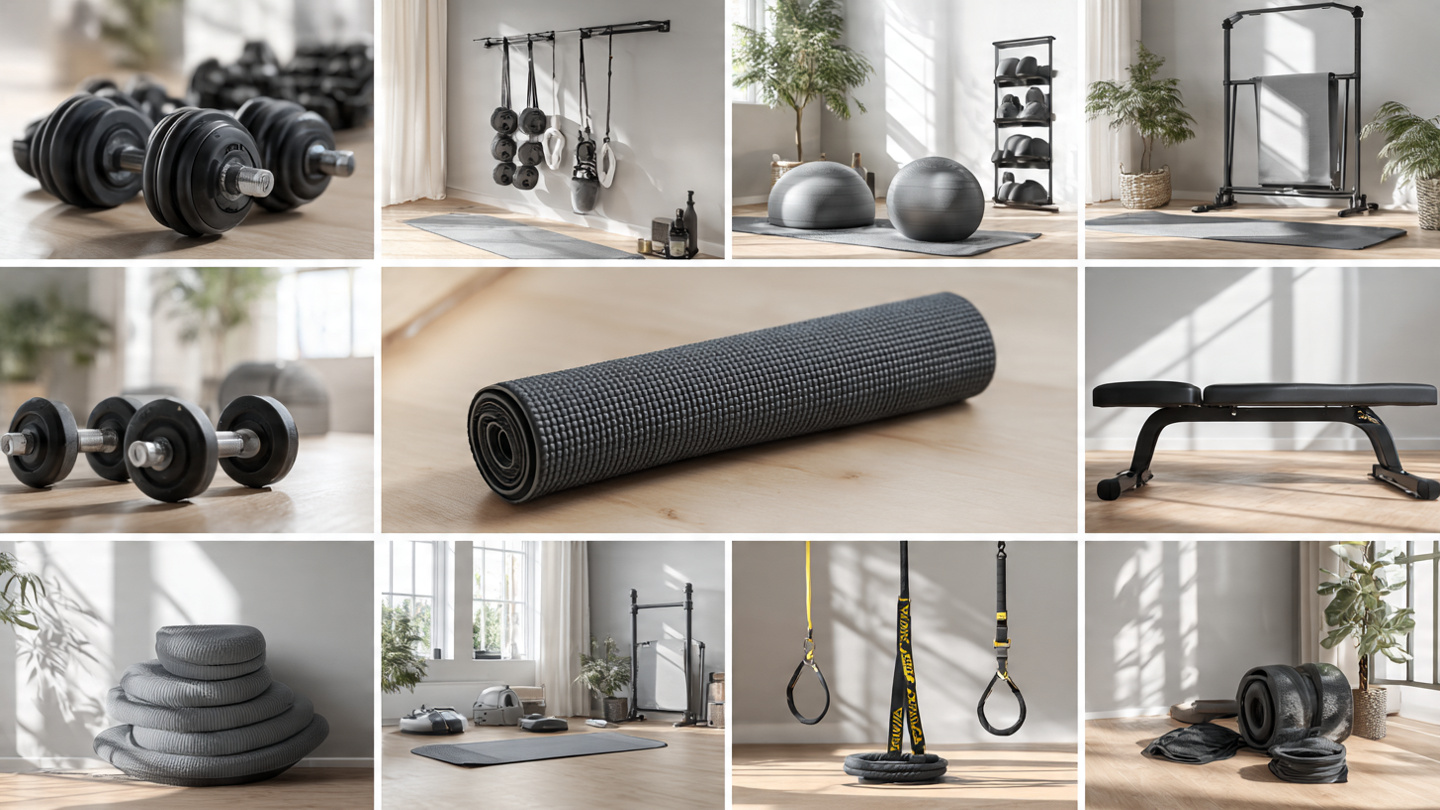
Adjustable dumbbells are probably the single best investment for most home gyms. One pair that lets you change the weight quickly covers everything from light warm-up movements to heavy lifts as you get stronger. They’re compact, easy to store, and incredibly versatile for squats, presses, rows, lunges, and core work.
Kettlebells come next. Even just one or two different weights open up dynamic exercises like swings, goblet squats, Turkish get-ups, and shoulder presses. Their offset handle adds a stability challenge that builds functional strength and grip. Many people find they prefer the natural feel of kettlebells for full-body movements.
If you have a bit more space, a basic barbell with some plates gives you access to classic lifts like deadlifts, bench presses, and overhead presses. Start light and focus on good form. These three — dumbbells, kettlebells, and a barbell — form the foundation for almost any strength goal.
Resistance Bands: Portable Power and Versatility
Resistance bands might be the most underrated affordable fitness equipment. They’re cheap, lightweight, and travel-friendly, yet they provide excellent muscle tension throughout the entire range of motion. Loop bands, tube bands with handles, and long power bands each serve different purposes.
Use them for warm-ups, accessory exercises, rehab movements, or even as the main resistance for squats, glute bridges, rows, and chest presses. They’re fantastic for beginners learning movements and for advanced users adding variable resistance to barbell lifts. Plus, they take almost no storage space — just toss them in a drawer or hang them on a hook.
Bodyweight and Mat Essentials
A high-quality exercise mat is non-negotiable. It protects your floors, cushions your joints during floor work, and defines your workout area. Thicker mats work well for yoga or mobility, while firmer ones suit strength training.
Add a few simple tools to expand bodyweight training: a doorway pull-up bar, parallettes for dips and push-ups, or gymnastic rings if you want to progress further. Ab rollers, slam balls, or medicine balls bring variety and power training without needing much room.
Jump ropes remain one of the best cardio investments. They improve coordination, burn calories quickly, and store anywhere. Different rope weights let you progress from basic skipping to more advanced techniques.
Cardio and Recovery Tools
You don’t need big machines to get your heart rate up. A good jump rope, battle ropes, or even a set of agility ladders can deliver serious conditioning workouts. For lower-impact options, consider a basic stationary pedal exerciser or step platform that doubles for step-ups and plyometrics.
Don’t forget recovery. A foam roller, massage balls, and stretching strap help release tight muscles and prevent injuries. These small tools support consistency by keeping your body feeling good between sessions.
Storage and Organization Solutions
A tidy home gym gets used more often. Wall-mounted racks for dumbbells, a simple vertical holder for plates, or even sturdy shelving keeps everything accessible and off the floor. Resistance band organizers and mat hangers prevent clutter.
A large mirror (even a cheap full-length one) helps with form checks and makes the space feel bigger. Good ventilation like a standing fan and proper flooring — rubber mats or interlocking tiles — protect your equipment and joints while making the area feel intentional.
Setting Up Your Space on a Budget
Start small and intentional. Choose one corner or wall and build around it. Many people begin with just a mat, dumbbells, and bands. Once that space gets regular use, it becomes easier to justify adding the next piece.
Think vertically. Wall hooks, over-door storage, and vertical racks free up floor space dramatically. If you live in an apartment, focus on quiet, compact options that won’t disturb neighbors.
Lighting and motivation matter too. Position your setup near a window if possible, or add affordable LED strips or a small speaker for music. A motivational poster or simple tracking board helps you see progress over time.
Sample Workouts With Minimal Equipment
A basic full-body routine might look like this:
- Warm-up with jump rope and dynamic band stretches
- Goblet squats and lunges with a kettlebell or dumbbell
- Push-ups or band chest presses
- Bent-over rows or pull-up variations
- Core work with planks and ab rollouts
You can create push-pull-legs splits, upper-lower days, or circuit training — all with the same small collection of equipment. The versatility keeps things interesting and supports different goals like building muscle, losing fat, or improving endurance.
Progression Strategies That Work
The beauty of this affordable setup is how naturally you can progress. Increase reps, slow down the tempo, add pauses, or combine movements into complexes. When dumbbells start feeling light, you can add resistance bands for extra challenge or invest in the next weight level.
Track your workouts in a notebook or simple app. Seeing numbers improve — more reps, heavier lifts, longer jump rope sessions — keeps motivation high even without expensive tech.
Common Mistakes to Avoid
Don’t buy everything at once. Start with the basics and master them before expanding. Many people end up with unused gear because they bought too much too soon. Focus on consistency with fewer items rather than having options you never touch.
Prioritize quality where it counts — especially for items that bear your weight or take daily impact. A wobbly pull-up bar or thin mat that slides around creates frustration and injury risk. In most cases, spending a little more on core pieces saves money and headaches long-term.
Why Affordable Equipment Wins for Most People
Having a home gym with budget-friendly pieces removes every common excuse. You can train early in the morning, during lunch, or late at night in your own space. No travel, no crowds, no waiting. This convenience often leads to more frequent and consistent training than expensive gym memberships ever did.
The setup also grows with you. Beginners build confidence and habits, while more experienced lifters can add intensity and complexity using the same foundation. Many people discover they enjoy training more when it feels approachable and personal rather than intimidating.
Making It Sustainable Long-Term
Treat your home gym like any other important part of your life. Keep it clean, organized, and inviting. Add small touches like a water bottle station or towel hook so everything you need is within reach. Celebrate milestones — new personal records, completing a month of consistent training — to stay motivated.
Combine your equipment with smart programming. Mix strength, cardio, and mobility throughout the week. Include rest days and listen to your body. Nutrition and sleep will amplify whatever equipment you have.
Your Home Gym Journey
Building an affordable home gym is really about creating a space that supports your goals and lifestyle. It doesn’t need to look perfect or match professional facilities. It just needs to work for you — consistently and enjoyably.
Start today with what you have, even if it’s just a mat and resistance bands. Add pieces gradually as your training evolves. Before long, you’ll have a personalized setup that makes fitness feel like a natural part of your day rather than a chore.
The best home gyms I’ve seen aren’t the biggest or most expensive. They’re the ones where the equipment gets used regularly because it fits the person’s life and budget perfectly.
What’s your current home gym situation or biggest challenge right now — limited space, staying consistent, or knowing what to buy first? Share in the comments and I’ll offer more specific suggestions tailored to different budgets and living situations.