Best Fitness Machines for Home Workouts in 2026 | Checkout NOW
Working out at home has never felt more exciting or effective than it does right now. In 2026, fitness machines have evolved into smart, space-conscious companions that adapt to your schedule, track your progress, and keep you motivated even on days when the couch looks more appealing. Whether you have a dedicated room or just a corner in your living space, the right equipment can transform how you move, build strength, and stay consistent.
After testing and living with various setups over the years, I’ve put together this guide to the machines that truly stand out for home use. These aren’t flashy gimmicks — they’re practical tools that deliver real results while fitting into real life.
Why Home Fitness Machines Make Sense in 2026
The biggest shift this year is how seamlessly technology integrates with movement. Machines now offer personalized coaching, immersive classes, and data tracking that used to require a personal trainer and expensive gym membership. At the same time, designs have become more compact and stylish, so they don’t dominate your home.
If you’re serious about consistency, having equipment ready at home removes every excuse. No travel time, no waiting for machines, no awkward gym crowds. You can squeeze in a quick session before work or wind down with a relaxing row after dinner.
Smart Strength Training Systems
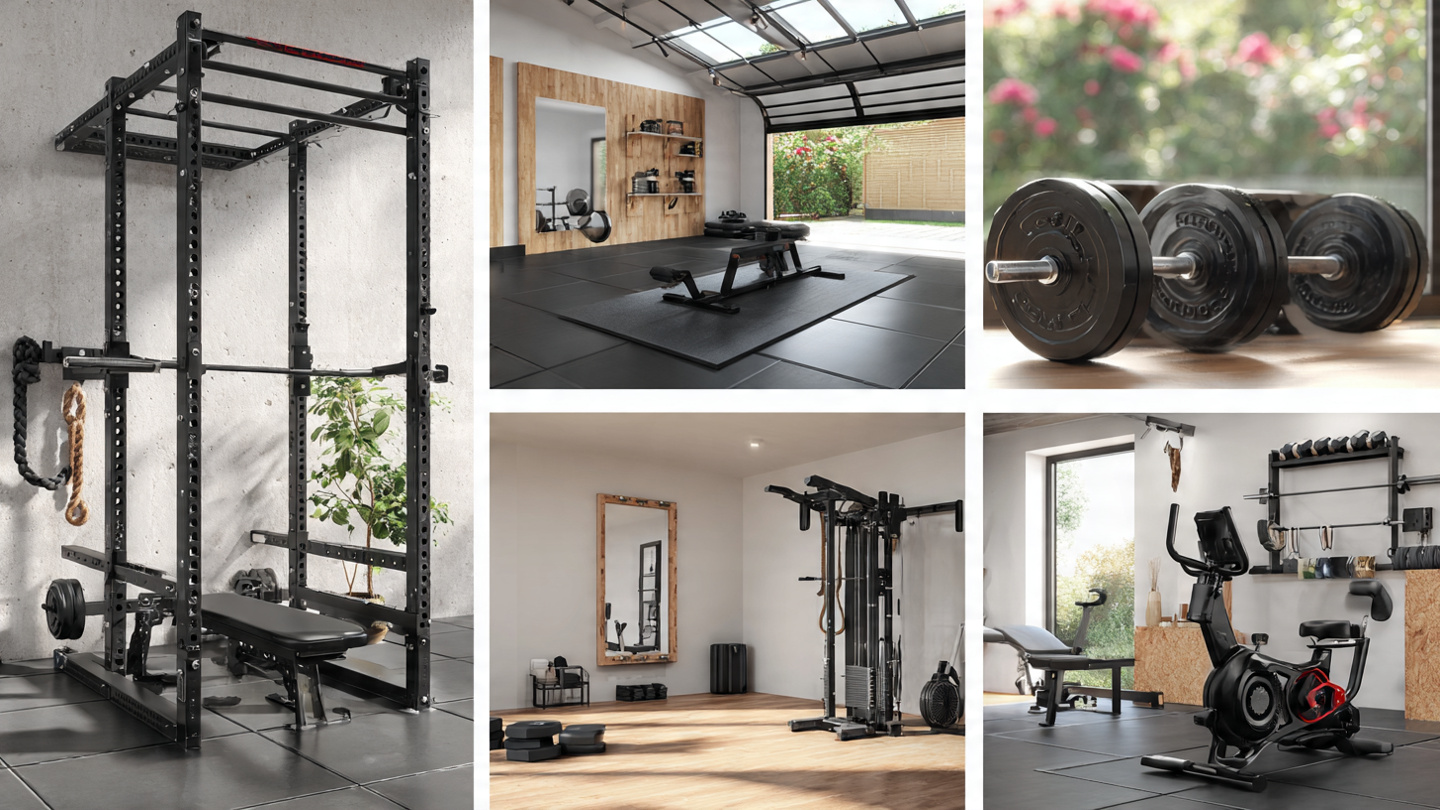
One of the most game-changing categories in 2026 is compact strength machines that use digital resistance instead of heavy plates. These wall-mounted or freestanding units deliver adjustable weight at the touch of a button, often with AI that watches your form and suggests corrections in real time.
They’re perfect for apartments because they take almost no floor space when not in use. You get hundreds of pounds of resistance through cables, handles, and bars, plus guided workouts for every muscle group. The best ones feel smooth and stable, almost like having a full cable machine system without the bulk.
What I love most is the progress tracking. The machine remembers your previous lifts, suggests gradual increases, and shows you clear improvements over weeks and months. It turns strength training into something motivating rather than guesswork.
Treadmills Built for Real Homes
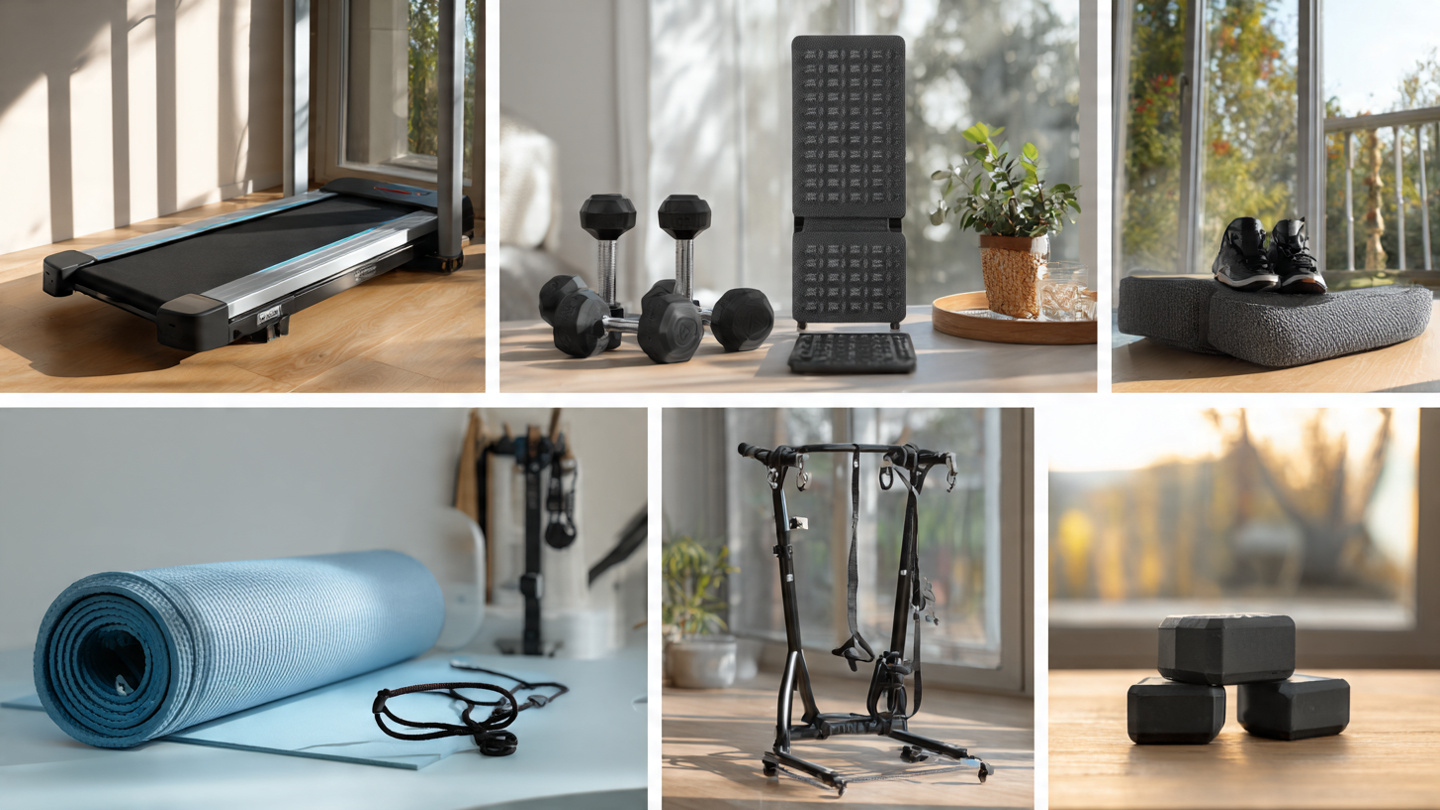
Treadmills remain a favorite for good reason — walking and running are fundamental movements that boost mood and cardiovascular health. Modern versions fold or tilt upright for storage, feature cushioned decks that protect your joints, and include incline/decline options that simulate real terrain.
Look for models with responsive motors that handle both gentle walks and intense sprints. Many now come with large screens and interactive classes that make miles fly by. Some even adjust speed and incline automatically based on your heart rate or the workout program.
If space is tight, consider compact or under-desk options for walking while working. The key is finding one that feels quiet and sturdy enough that you actually want to use it regularly.
Rowing Machines for Full-Body Power
Rowers continue to dominate as one of the most efficient home machines. In a single session, you work your legs, back, arms, and core while getting excellent cardio. Newer models feel incredibly smooth, with magnetic or water resistance that mimics the real thing without the noise.
Many now include gamified experiences — think virtual races, scenic routes, or leaderboards that make solo workouts competitive and fun. The best ones fold or stand vertically, so they tuck away neatly.
I personally reach for my rower when I want a quick, satisfying sweat. Twenty to thirty minutes leaves you energized rather than drained, and the low-impact nature makes it suitable for almost every fitness level and age.
Exercise Bikes and Smart Cycling Options
Stationary bikes have come a long way from boring basement equipment. Today’s versions offer comfortable, adjustable seating, quiet operation, and engaging screens that transport you through scenic rides or high-energy classes.
Look for bikes with heavy flywheels for realistic momentum, multiple resistance levels, and metrics that sync to your phone or watch. Some even include handlebar movement for a more dynamic, full-body experience.
They’re fantastic for beginners because you can control the intensity easily and build endurance gradually. Plus, you can read, watch shows, or listen to podcasts while cycling — something that makes consistency much easier.
Ellipticals and Low-Impact Alternatives
For those who need joint-friendly cardio, ellipticals remain excellent. The smooth, gliding motion works both upper and lower body without the pounding of running. Newer models have natural strides, adjustable inclines, and quiet operation that won’t disturb others in the house.
Many include moving handlebars and built-in programs that vary intensity. They’re especially valuable if you’re recovering from injuries or simply prefer a gentler workout that you can do daily.
Multi-Functional and Space-Saving Machines
If you want maximum results with minimum equipment, all-in-one machines that combine strength and cardio are worth considering. Some combine cable systems with benches or offer modular attachments that expand capabilities over time.
Vertical climbers, ski trainers, and compact functional trainers also deliver big workouts in small packages. These hybrid options are perfect for busy people who want variety without owning five different machines.
How to Choose the Right Machine for You
Start by honestly assessing your space, goals, and preferences. Do you love running? A good treadmill might be your foundation. Prefer low-impact or full-body? Consider a rower or elliptical. Want to build serious strength? Prioritize a smart resistance system.
Budget matters, but think long-term. A slightly more expensive machine that you’ll actually use for years beats a cheap one that gathers dust. Check noise levels (especially important for apartments), maximum user weight, and warranty coverage.
Try before you buy if possible — many showrooms or friends with home gyms let you test. Read real user experiences about durability and customer support.
Building Your Home Workout Routine
The machine itself is only part of the equation. Create a simple routine that mixes cardio and strength. For example, alternate rowing or cycling days with strength sessions. Add bodyweight or free-weight movements to round things out.
Consistency beats perfection. Even three solid sessions per week will transform how you feel. Track your workouts, celebrate small wins, and adjust as your fitness improves.
Don’t forget recovery — good sleep, nutrition, and perhaps a foam roller or stretching routine keep you injury-free and motivated.
Making It Sustainable and Enjoyable
The secret to sticking with home workouts is making the environment pleasant. Good lighting, a fan for cooling down, motivational music or classes, and comfortable flooring all help. Position your machine near a window or facing a screen so the time passes faster.
Many people find that home setups actually make them more consistent than gym memberships ever did. There’s no barrier between deciding to workout and actually doing it.
In 2026, home fitness machines have reached a sweet spot — advanced enough to keep things interesting and effective, yet simple enough to become part of daily life. Whether you’re just starting your fitness journey or leveling up an existing routine, investing in the right equipment pays dividends in energy, health, and confidence.
What type of workouts excite you most right now — strength, cardio, or a mix? Let me know in the comments, and I can share more tailored suggestions for your space and goals.