Home Gym Essentials: Top Fitness Machines Reviewed | Checkout NOW
Building a home gym is exciting, but the real challenge is choosing machines that actually deliver results without collecting dust in the corner. After setting up and using several home gyms over the years — first a tiny apartment setup and later a more complete garage version — I’ve learned which fitness machines earn their place as true essentials. These aren’t trendy gadgets that look impressive in photos. They’re the reliable workhorses that support consistent training, progressive results, and long-term enjoyment.
Here’s my honest review of the top fitness machines that belong in most home gyms. I’ve ranked them based on versatility, real-world performance, space efficiency, and how well they serve both beginners and experienced lifters.
Rowing Machines: The Full-Body MVP
If I could keep only one cardio machine, it would be a solid rower. This machine delivers unmatched full-body engagement in a single movement. You push with your legs, pull with your back and arms, and brace your core throughout — making it incredibly efficient for building strength and cardiovascular fitness at the same time.
What stands out in real use is the smooth, low-impact rhythm. Beginners pick up the form quickly and can do steady sessions that burn serious calories without beating up their joints. More advanced users love adding interval workouts or long endurance rows that leave them drenched and satisfied. The best models feel stable even during hard pulls and provide clear metrics that help you track improvement over time.
Storage is another big win. Many rowers fold or stand vertically, so they disappear when not in use. In my experience, the rower is the machine people actually use multiple times per week because the workouts feel productive and never boring.
Treadmills: Reliable Cardio Foundation
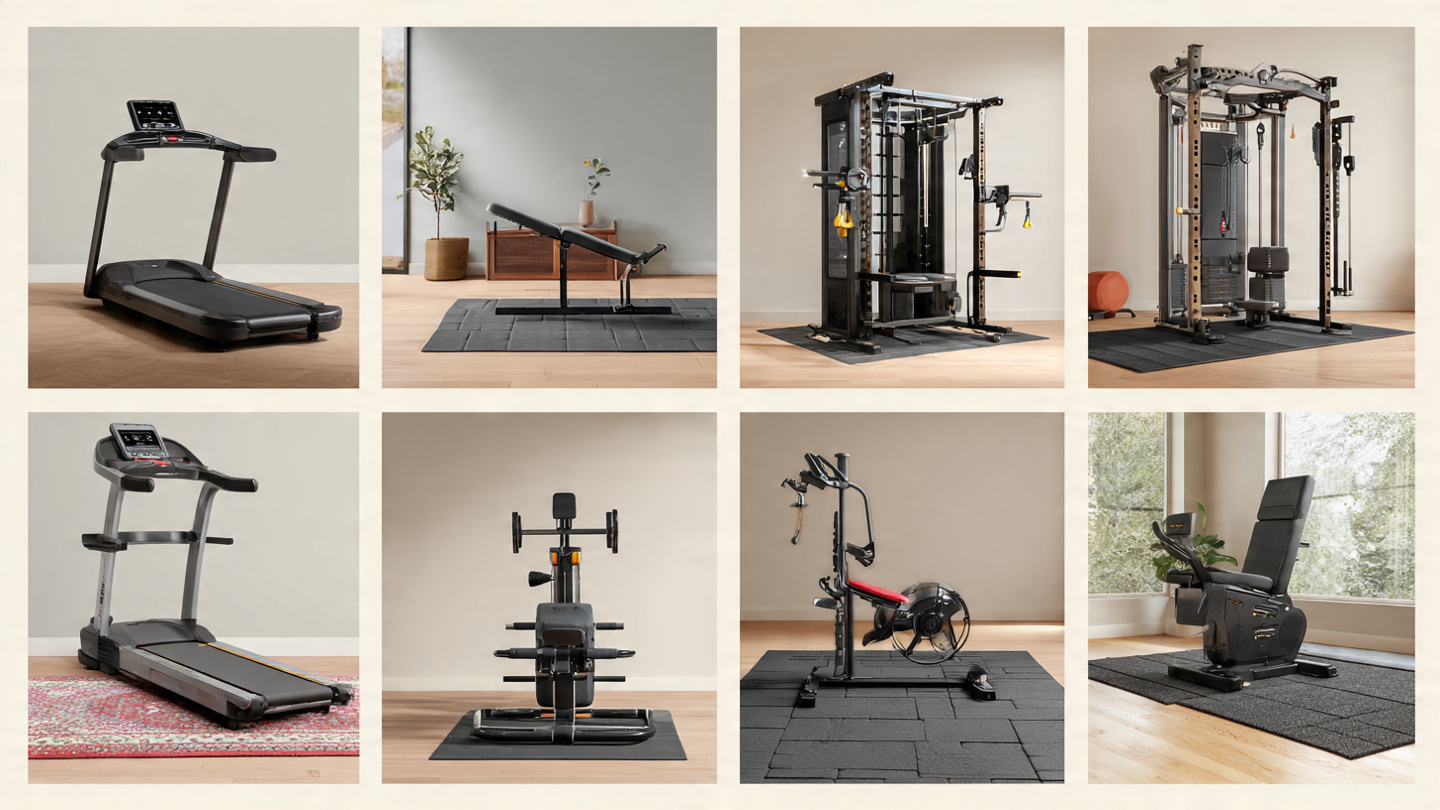
Treadmills remain a staple for good reason. They offer straightforward walking, jogging, or running in complete climate control, which is perfect for consistent training no matter the weather or time of day.
Modern treadmills shine with excellent cushioning that protects knees and hips during longer runs. The incline feature turns a simple walk into a serious calorie-burning hill session. I particularly appreciate models with quiet motors and responsive speed changes — nothing kills motivation faster than a loud, jerky machine.
For home gyms, look for folding or compact designs if space is limited. They work beautifully for steady-state cardio, interval training, or recovery walks. The treadmill earns its essential status by being approachable for beginners while still challenging enough for serious runners who want to log miles without leaving home.
Exercise Bikes: Sustainable Daily Cardio
Bikes deserve serious consideration because they let you train consistently without high impact. The seated position feels accessible, and you can maintain effort for longer periods, which is key for building aerobic capacity and supporting fat loss or endurance goals.
Upright bikes, recumbent options, and fan-resistance air bikes each have their strengths. Air bikes automatically match your intensity — the harder you go, the more resistance you get — making them fantastic for HIIT-style workouts. Regular bikes with adjustable resistance work great for longer, steady rides where you can read, watch, or listen to something motivating.
In daily use, bikes are quiet, space-efficient, and easy on the body. They’re especially valuable during recovery weeks or when you want to add extra cardio sessions without overloading your legs from running or lifting. Many people find the bike becomes their go-to machine for consistent movement on busy days.
Cable Machines and Multi-Station Strength Systems
For strength training, a good cable machine or compact functional trainer stands out as one of the smartest investments. Unlike free weights alone, cables provide constant tension through the full range of motion, which leads to better muscle activation and variety.
These machines shine for functional movements, core work, cable crossovers, rows, pulldowns, and hundreds of other exercises that mimic real-life movements. Beginners benefit from the guided paths that teach proper form, while advanced lifters use them for drop sets, supersets, and isolation work that complements barbells and dumbbells.
Wall-mounted or smaller footprint versions save enormous space while still offering serious resistance. In my home gym, the cable system gets used almost every session because it adds variety and helps target muscles that are harder to hit with free weights alone.
Ellipticals: Low-Impact Full-Body Option
Ellipticals remain excellent for people who need joint-friendly cardio that still works the upper body. The smooth elliptical motion feels natural to most users, and the moving arms engage shoulders, back, and core along with the legs.
They excel during longer sessions where you want to keep your heart rate elevated without pounding your joints. Many models include incline adjustments and preset programs that automatically vary resistance, keeping workouts interesting. While they don’t replace running or rowing completely, they serve as a fantastic addition for active recovery days or when you want extra volume without extra stress.
All-in-One or Hybrid Machines
For smaller spaces or people who want maximum versatility, all-in-one machines that combine strength and cardio elements are worth considering. Some combine cable systems with foldable benches or offer modular attachments. These hybrids can replace multiple pieces of equipment and grow with your training needs.
How to Choose the Right Machines for Your Home Gym
Space, goals, and budget should guide your decisions. If fat loss and conditioning are priorities, prioritize a rower or bike. If building strength matters most, focus on cables or a good adjustable bench with free weights. Most successful home gyms combine one strong cardio machine with versatile strength options.
Consider noise levels (especially important for apartments), maximum user weight, and how easy the machine is to maintain. Stability matters more than fancy screens — a rock-solid machine you trust will get used far more than one with flashy features that feels wobbly.
Building an Effective Home Gym Routine
The best setups support varied training. A typical week might include:
- 2-3 strength sessions using cables, dumbbells, or bodyweight
- 2-3 cardio sessions on the rower, bike, or treadmill
- Recovery or mobility work on the elliptical
Mix intensities — some days heavy and slow, others light and fast. The machines make progression simple: add resistance, increase duration, or improve form over time. Track your workouts so you can see clear improvements in strength, endurance, or recovery.
Setup Tips for Long-Term Success
Place machines where you’ll actually use them — near natural light if possible, with good ventilation and a fan nearby. Rubber flooring or mats protect your floors and reduce noise. Keep the area organized with simple storage so starting a workout feels easy rather than overwhelming.
Motivation grows when the environment feels good. A mirror for form checks, a speaker for music, and a water station make sessions more enjoyable. Many people find their home gym becomes a peaceful personal space rather than just workout equipment.
Common Pitfalls to Avoid
Buying too many machines too soon often leads to clutter and regret. Start with two or three essentials and master them before expanding. Another mistake is choosing equipment based on trends instead of how you actually like to move. Test movements if possible and choose machines that feel good during real workouts.
Consistency beats perfection. Even a simple setup with a rower and basic strength tools produces excellent results when used regularly.
Why These Fitness Machines Are True Essentials
The machines I’ve highlighted here share important traits: they’re durable, versatile, space-conscious, and genuinely enjoyable to use over months and years. They support different training goals while fitting into real homes and busy schedules. Most importantly, they remove barriers — no travel, no waiting, no excuses — which leads to the consistency that actually changes your body and health.
A well-equipped home gym becomes more than just a collection of machines. It becomes your personal training ground where you build strength, improve fitness, and gain confidence. The investment pays off through better health, saved time, and the freedom to train on your own terms.
The most successful home gyms I’ve seen aren’t the biggest or most expensive. They’re the ones with carefully chosen machines that match the owner’s lifestyle and get used regularly.
Ready to Build Yours?
Whether you’re starting from scratch or upgrading an existing setup, focus on machines that solve your biggest training needs right now. The right combination creates a home gym that grows with you and supports your goals for years to come.
What’s the biggest challenge you’re facing with your home gym right now — space limitations, choosing the right machines, staying consistent, or building a balanced routine? Drop it in the comments and I’ll share more specific advice tailored to your situation.