Building a home fitness routine that actually sticks is easier when you have the right machines supporting you. The beauty of fitness machines is that many of them work beautifully for both beginners who are just starting their journey and experienced pros who want to push their limits. The key is choosing equipment that grows with you — forgiving enough for newbies yet challenging enough for advanced training.
After setting up my own home gym and helping several friends at different fitness levels do the same, I’ve seen which machines deliver consistent results across experience levels. These are the must-have fitness machines that offer excellent versatility, real progression, and long-term value.
Rowing Machines: The All-Rounder
If I could only pick one machine for most people, it would be a solid rowing machine. It delivers a full-body workout that builds cardiovascular endurance, strengthens your back, legs, arms, and core, all while being surprisingly gentle on the joints.
For beginners, the rowing motion is easy to learn and provides immediate feedback through distance, strokes per minute, and calories. You can start with short, steady sessions and gradually increase intensity. The low-impact nature makes it ideal if you’re coming back from inactivity or dealing with knee or back concerns.
Pros love rowers for high-intensity interval training and endurance challenges. Many advanced rowers use them for race simulations, power strokes, or long steady-state sessions that build serious aerobic capacity. The best models feel smooth and track detailed metrics that help you compete against your own previous performances.
Exercise Bikes: Cardio You Can Actually Stick With
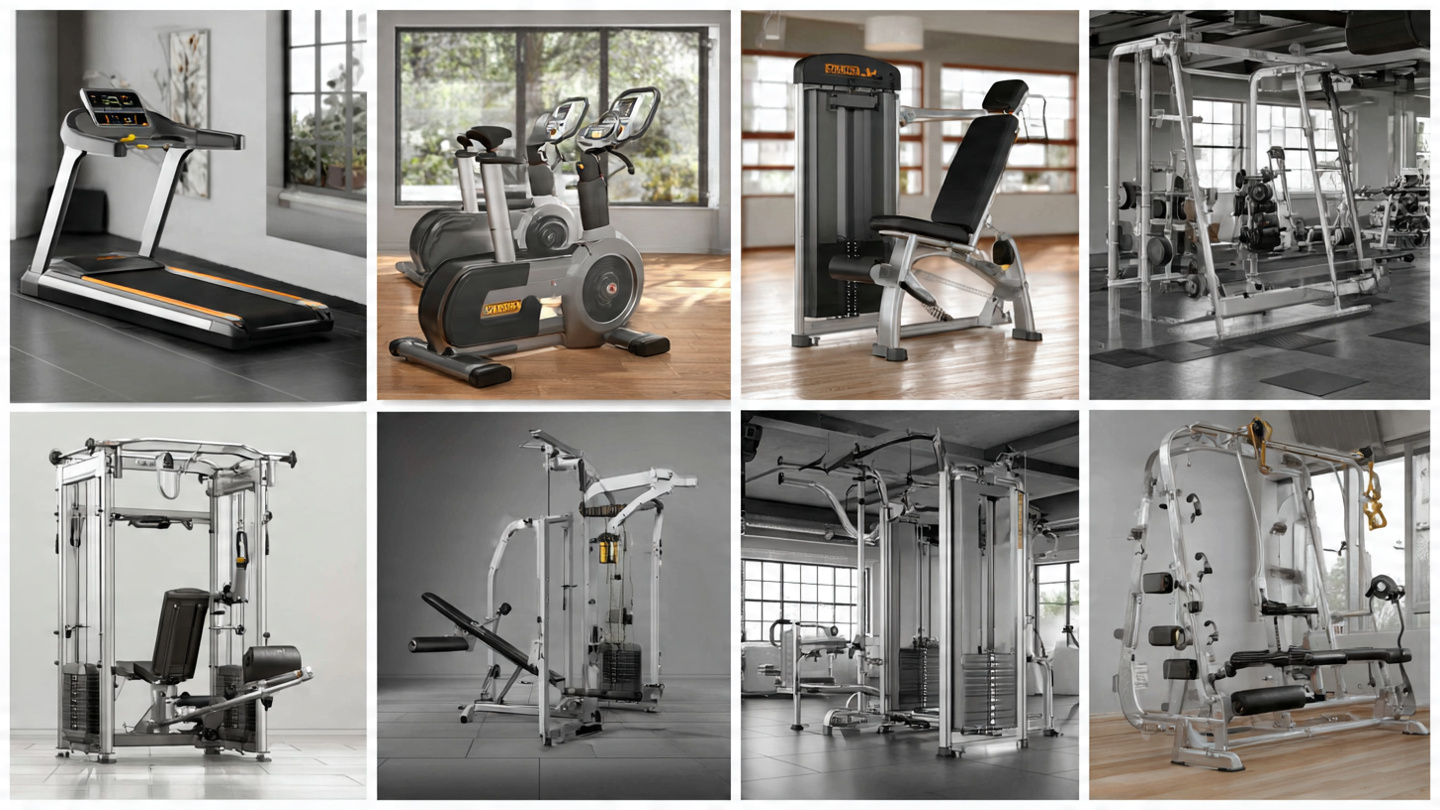
Stationary bikes remain incredibly popular because they’re approachable and effective. Beginners appreciate the seated position, easy resistance adjustments, and ability to read or watch something while building fitness. You can control effort precisely, making it less intimidating than running or jumping.
Look for bikes with comfortable, adjustable seats and multiple resistance levels. Many offer preset programs that guide you through hills, sprints, or recovery rides. This structure helps new users stay consistent without overthinking their workout.
For pros, advanced bikes with heavy flywheels, competitive leaderboards, or cadence tracking turn riding into serious training. They’re perfect for high-intensity intervals, recovery days, or building massive endurance. Some models even allow standing climbs that mimic outdoor cycling demands.
Treadmills: Walking, Running, and Everything In Between
Treadmills give you controlled walking or running in any weather, which is a game-changer for consistency. Beginners can start with brisk walking or light jogging at low inclines, gradually building speed and duration. Cushioned decks protect joints better than pounding pavement, and handrails provide security while learning proper form.
Many treadmills include built-in programs that mix intervals and inclines automatically, taking the guesswork out of progression. This guided approach helps beginners see improvements quickly and stay motivated.
Experienced athletes use treadmills for precise speed work, hill training, or recovery runs. Advanced features like automatic incline changes, heart rate-based training, and long decks support serious marathon training or sprint sessions. The ability to control every variable makes them valuable even for elite runners.
Strength Training Machines That Scale
Compact strength machines, especially those using cable systems or digital resistance, bridge the gap between beginners and pros perfectly. Beginners benefit from guided movements that teach proper form and reduce injury risk. Adjustable resistance lets you start light and progress smoothly without needing multiple sets of weights.
Pros appreciate the variety — hundreds of exercises targeting every muscle group with smooth, consistent tension. Cable machines particularly shine for functional movements, rotational work, and isolation exercises that complement free weights.
Adjustable benches paired with these systems multiply the possibilities. You can perform presses, rows, flyes, and core work at different angles, making one machine feel like an entire gym.
Ellipticals and Low-Impact Options
Ellipticals deserve a spot for anyone who needs joint-friendly cardio. The smooth gliding motion works both upper and lower body simultaneously, providing efficient calorie burn with minimal impact.
Beginners love how natural the movement feels and how easily they can maintain steady effort. Moving handlebars engage the upper body and help improve coordination. Pros use ellipticals for active recovery, high-volume cardio sessions, or when they need to protect joints during heavy training blocks.
Smart Considerations for Both Levels
The best fitness machines share a few important traits. They feel stable and well-built so you’re never worried about safety. They offer clear progression paths — easy enough for day one but challenging months or years later. And they fit realistically into home spaces without dominating the room.
For beginners especially, focus on machines that feel approachable and provide good feedback. Consistency matters more than intensity at the start. Choose one or two machines first rather than trying to buy everything. Mastering a rower and a set of adjustable dumbbells, for example, can deliver impressive results before adding more.
Pros should look for machines that allow measurable progression and variety. Features like detailed tracking, multiple resistance levels, and the ability to perform advanced movements keep training interesting and effective over time.
Creating Workouts That Work for Your Level
Beginners might start with 20-30 minute sessions mixing cardio and light strength. A simple routine could be 10 minutes rowing, followed by bodyweight or light machine strength circuits, ending with a short cool-down ride on the bike. Focus on learning movement patterns and building the habit.
Intermediate and pro users can design more structured programs. Alternate heavy strength days using cable machines and benches with high-intensity rowing or running intervals. Use the elliptical or bike for active recovery. Many advanced athletes periodize their training — building base endurance for weeks, then adding intensity and power phases.
Don’t forget mobility and recovery. Pair your machines with stretching, foam rolling, or yoga to stay balanced and injury-free.
Common Setup Tips
Place machines where you’ll actually use them. Good natural light, a fan for cooling, and motivational elements like music or a view make sessions more enjoyable. Proper flooring, especially under heavier equipment, protects your home and equipment.
Storage matters if space is limited. Many modern machines fold or move easily. Vertical storage options for rowers and bikes free up floor space during non-workout hours.
Progression and Long-Term Success
The real magic happens when you track your workouts. Note distances, times, resistance levels, and how you feel. Seeing measurable improvement keeps motivation high for both beginners and pros. Beginners often get hooked by rapid early gains, while pros stay driven by chasing new personal records.
Listen to your body. Beginners should prioritize form and consistency over pushing limits. Pros can handle higher volume but still need smart recovery strategies. Rest days, sleep, and nutrition matter just as much as the machines themselves.
Many people discover that having these fitness machines at home removes barriers and makes training feel natural rather than forced. What starts as a simple beginner routine often evolves into a serious long-term practice.
Building Your Must-Have Collection
Start with one cardio machine that matches your preferences — rower for full-body, bike for convenience, or treadmill for running lovers. Add a versatile strength option next. This combination covers most fitness goals effectively.
Whether you’re just beginning or training at a high level, the right machines make progressive overload natural and sustainable. They adapt to your current ability while encouraging growth.
The most successful home fitness setups I’ve seen aren’t the ones with the most equipment. They’re the ones with carefully chosen machines that get used regularly. Focus on quality movement, smart progression, and enjoyment, and the results will follow.
What’s your current fitness level and main goal right now — building consistency as a beginner, losing fat, gaining strength, or training for a specific event? Tell me in the comments and I can suggest more specific machine combinations and routines tailored to your situation.