Top Gym Equipment for Effective Home Fitness | Checkout NOW
Setting up a home gym is one of the smartest moves you can make for your health and consistency. No more driving to a crowded facility, no waiting for equipment, and no monthly fees that add up. When you have the right gym equipment at home, working out becomes something you actually look forward to rather than something you have to force yourself to do.
After years of building and refining my own home setup — and watching friends do the same — I’ve learned which pieces deliver the best results while fitting into real homes and busy schedules. These are the top gym equipment choices that help you build strength, improve cardio, boost mobility, and stay consistent without needing a massive space.
Free Weights: The Foundation of Any Home Gym
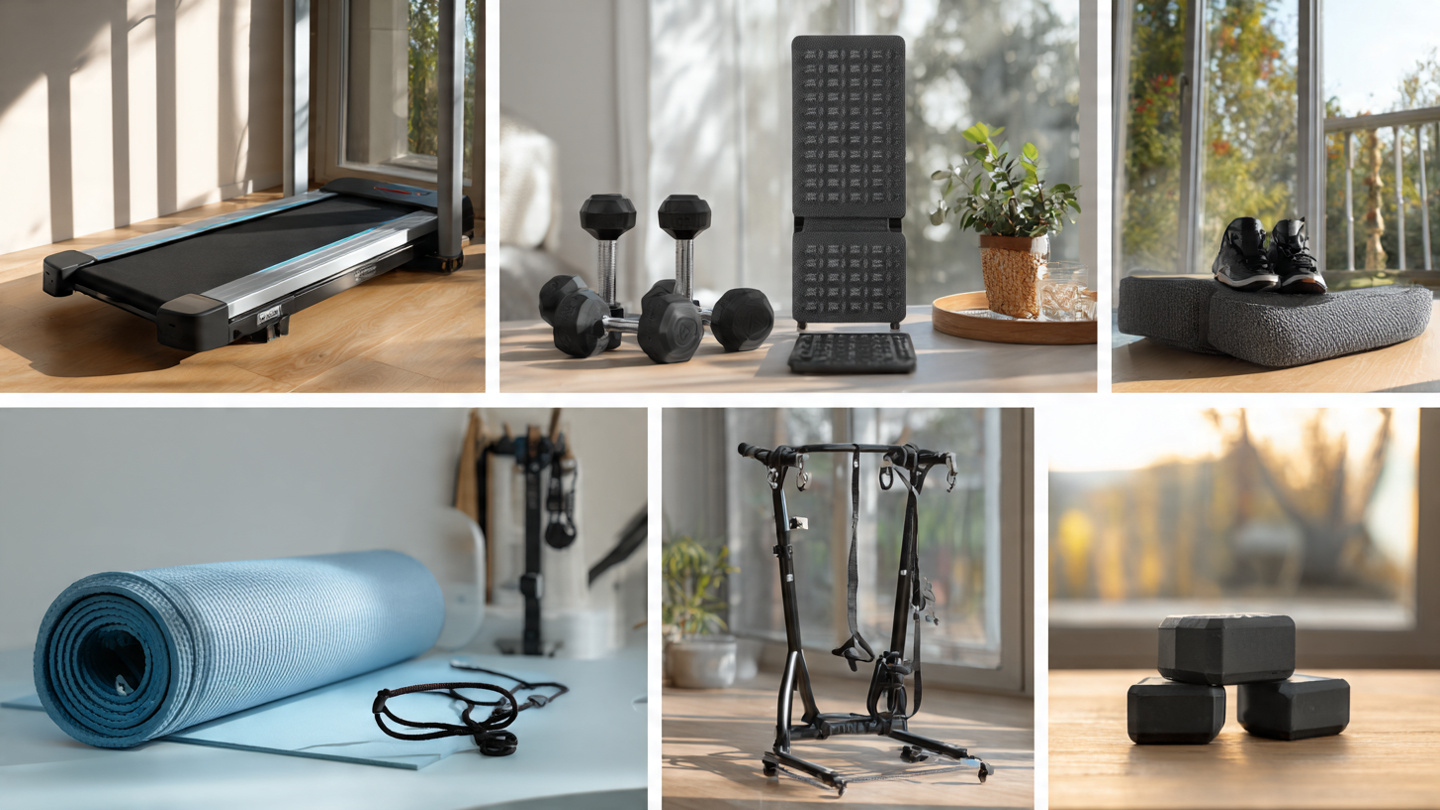
Dumbbells remain the most versatile and effective tool for home fitness. A good adjustable set lets you change weight quickly and progress naturally as you get stronger. They’re perfect for everything from shoulder presses and lunges to core work and full-body circuits.
Kettlebells come in a close second. Their unique shape adds instability that challenges your grip and core while performing swings, goblet squats, Turkish get-ups, and more. Even a couple of different weights open up hundreds of exercise variations.
A barbell with plates is ideal if you have the space for bench pressing, deadlifting, and squats. Start basic and add weight gradually. The beauty of free weights is their simplicity — they never run out of battery, break down, or need updates.
Resistance Bands and Mobility Tools
Don’t underestimate bands. They’re inexpensive, portable, and incredibly effective for warm-ups, accessory work, rehab, and even main strength sessions. Loop bands, tube bands with handles, and long resistance straps each serve different purposes and stack nicely with free weights.
A foam roller, lacrosse balls, and a stretching strap complete the mobility side. Regular rolling and targeted stretching keep you injury-free and moving better. Many people notice improved posture and reduced back pain just from adding consistent mobility work with these simple tools.
Benches and Multi-Purpose Stations
A sturdy adjustable weight bench is a game-changer. Flat, incline, and decline positions let you target muscles from every angle. Look for one that’s stable, comfortable, and folds if space is limited.
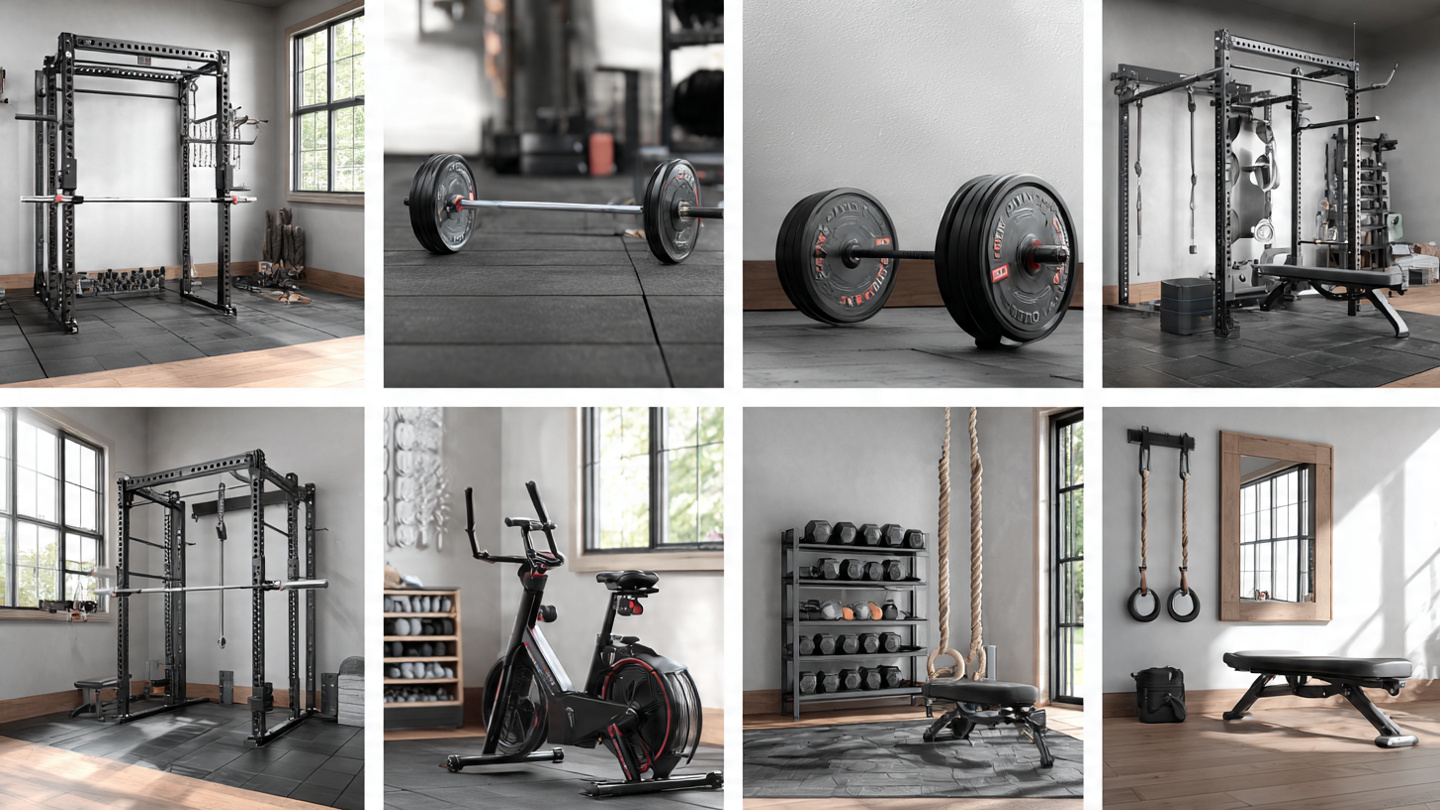
If you want more in one piece, consider a power rack or squat stand with safety bars. These allow heavy lifting with confidence and often include pull-up bars for bodyweight training. Wall-mounted versions save floor space dramatically when not in use.
Cardio Equipment That Fits Your Lifestyle
For effective home fitness, you need something that gets your heart rate up. A rowing machine stands out because it delivers full-body cardio and strength in one low-impact package. It’s quiet, compact when stored, and gives that satisfying “I really worked out” feeling.
An exercise bike or air bike offers excellent options too. Air bikes with fan resistance automatically match your effort level and provide intense conditioning workouts. Treadmills with good cushioning work well for runners, while elliptical machines suit those who prefer joint-friendly movement.
Even a simple jump rope or battle ropes can deliver serious cardio in minimal space. The key is choosing equipment you’ll actually enjoy using multiple times a week.
Bodyweight and Functional Training Gear
Pull-up bars (doorway or wall-mounted), parallettes, and gymnastic rings expand your bodyweight training options. Push-ups, dips, rows, and core exercises become more challenging and effective with these additions.
A good yoga mat or thicker exercise mat protects your floors and provides cushioning for floor work, core routines, and stretching. Add slam balls, medicine balls, or sandbags for explosive power training that builds athleticism and burns calories quickly.
Storage and Organization Solutions
A well-organized home gym encourages regular use. Wall-mounted racks for dumbbells, a vertical storage tree for plates, and resistance band organizers keep everything tidy and accessible. A large mirror helps with form checks and makes the space feel bigger.
Good ventilation, a sturdy fan, and proper flooring (rubber mats or interlocking tiles) protect your equipment and your joints while making the area feel professional.
Building an Effective Home Workout Routine
The best gym equipment setup supports variety. A balanced week might include:
- Strength days with dumbbells, barbells, or resistance bands
- Cardio sessions on the rower or bike
- Mobility and recovery work with foam rolling and stretching
- Functional circuits using kettlebells, battle ropes, or bodyweight
Start with three to four sessions per week. Focus on compound movements — squats, deadlifts, presses, rows, and pulls — because they deliver the most results in the least time. Track your workouts in a notebook or simple app so you can see progress and stay motivated.
Common Mistakes to Avoid
Many people buy too much equipment too soon and end up with clutter. Begin with the basics: dumbbells, a bench, resistance bands, and one cardio piece. Master those before expanding. Quality matters more than quantity — stable, durable equipment lasts for years and feels better to use.
Another mistake is ignoring recovery. Good sleep, nutrition, and rest days matter just as much as the equipment. Listen to your body and progress gradually to avoid burnout or injury.
Why Home Gym Equipment Wins Long-Term
When your equipment is always there, consistency becomes natural. You can work out at 6 AM before the day starts, during lunch, or at 9 PM after the kids are in bed. No schedule conflicts, no weather excuses, and complete privacy.
Over time, this convenience compounds. People with home setups often train more frequently and stick with fitness longer than those relying on external gyms. The money saved on memberships and travel easily justifies the initial investment.
Plus, there’s a satisfying feeling that comes with having your own space — a corner or room dedicated to becoming stronger, healthier, and more energized.
Getting Started the Smart Way
Assess your available space honestly. Even a 5x5 foot area can support an excellent workout with clever choices. Think about your main goals: fat loss, muscle building, endurance, or overall health. Let those priorities guide what you buy first.
Test movements with minimal equipment before committing. Many exercises need nothing more than your bodyweight and a bit of creativity. Once you’re consistent, adding the right gym equipment accelerates progress dramatically.
The most effective home fitness setups are the ones that match your lifestyle. Some people thrive with minimal gear and bodyweight focus, while others love a full rack and heavy lifting. Both approaches work when used regularly.
In the end, the best gym equipment is whatever gets you moving consistently and safely. Start simple, stay consistent, and enjoy the process of building both your body and your personal training space.
What’s the biggest challenge you face with home workouts right now — space, motivation, or knowing what equipment to pick? Share in the comments and I’ll offer more specific ideas tailored to your situation.